

LiveCentralAustin.com
Central Austin Homes, and North Central in Particular
The neighborhoods inside the city that people actually compete for, and what separates one from the next.
Central Austin is not one market. It is a dozen small ones that happen to share a zip code range, and the differences between them are the whole game. A 1940s cottage in Rosedale, a mid-century ranch in Brentwood, a Victorian in Hyde Park, and a rebuilt modern in Bouldin are four completely different purchases, priced by four different sets of buyers, even though they sit within a few miles of one another.
What they share is scarcity. Central Austin is built out. New supply arrives almost entirely through renovation and teardown-rebuild rather than new subdivisions, which is why inventory stays tight through cycles that loosen everywhere else, and why a well-priced home here rarely sits.
North Central Austin
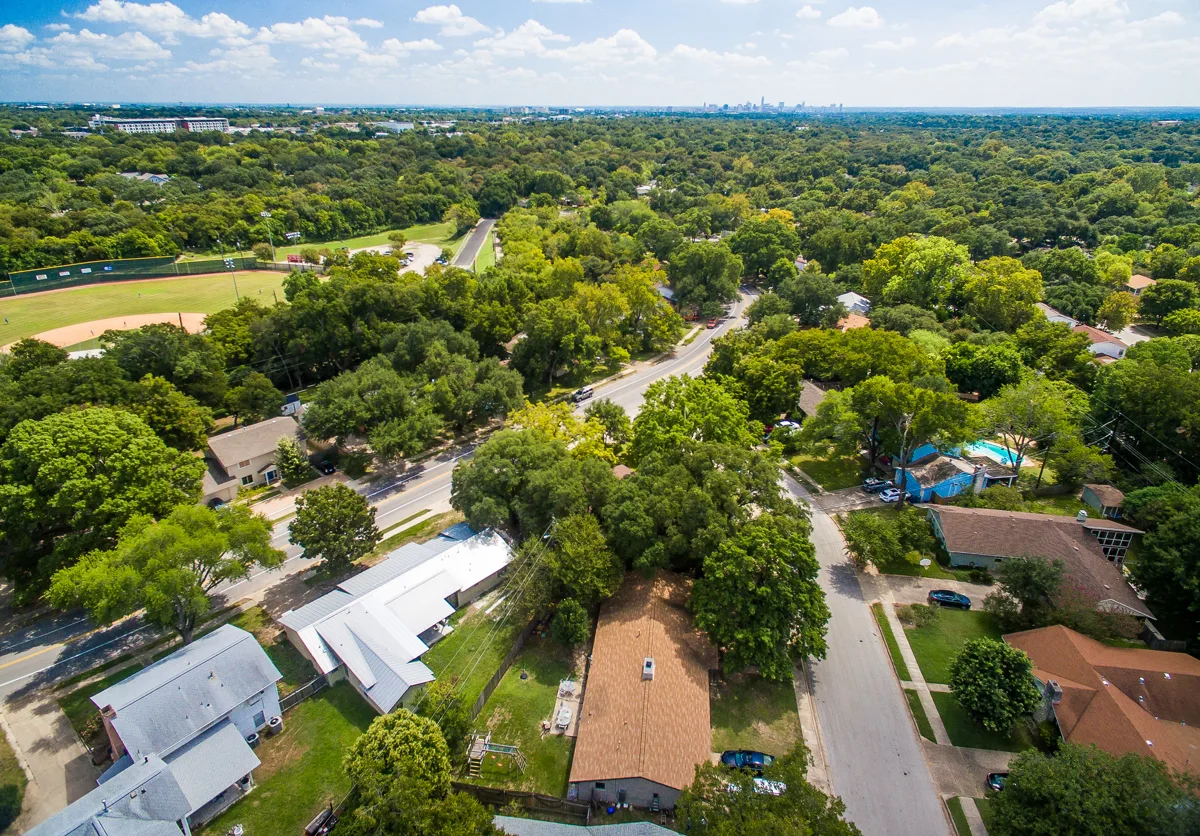
North Central Austin is the belt of neighborhoods running roughly between Lamar and Burnet, north of 45th Street: Crestview, Allandale, Brentwood, Rosedale, Hyde Park, and North Loop.
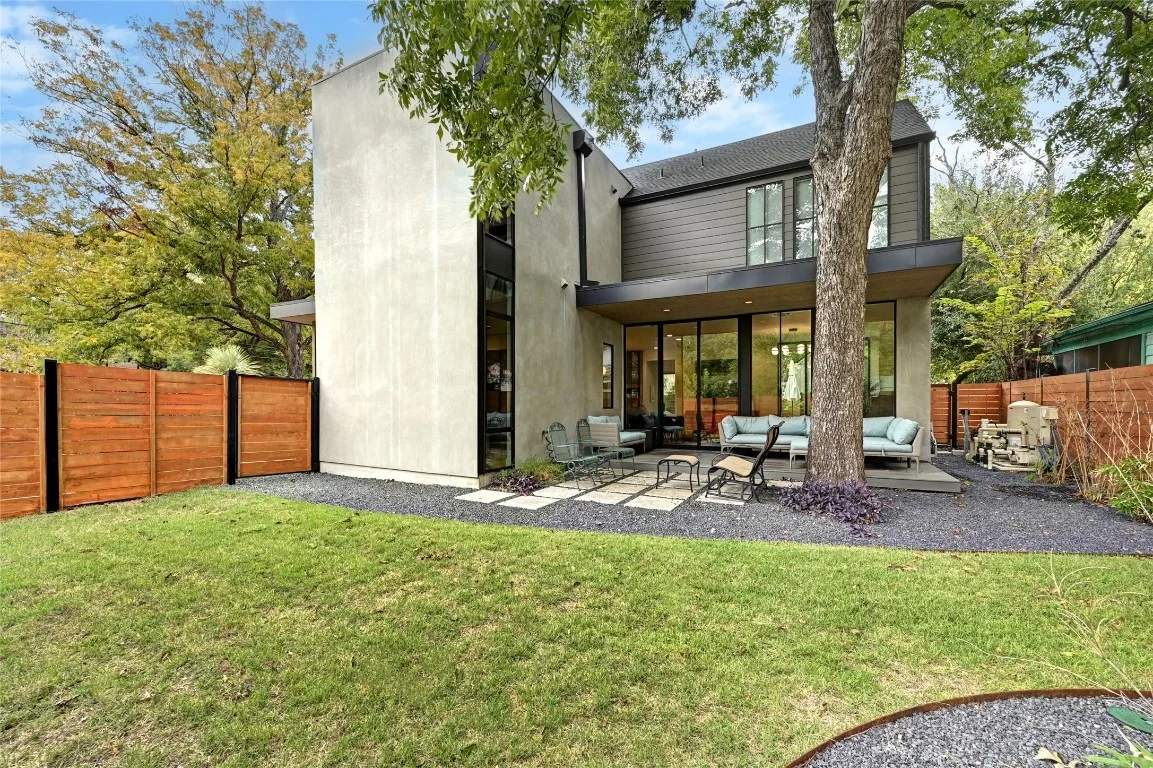
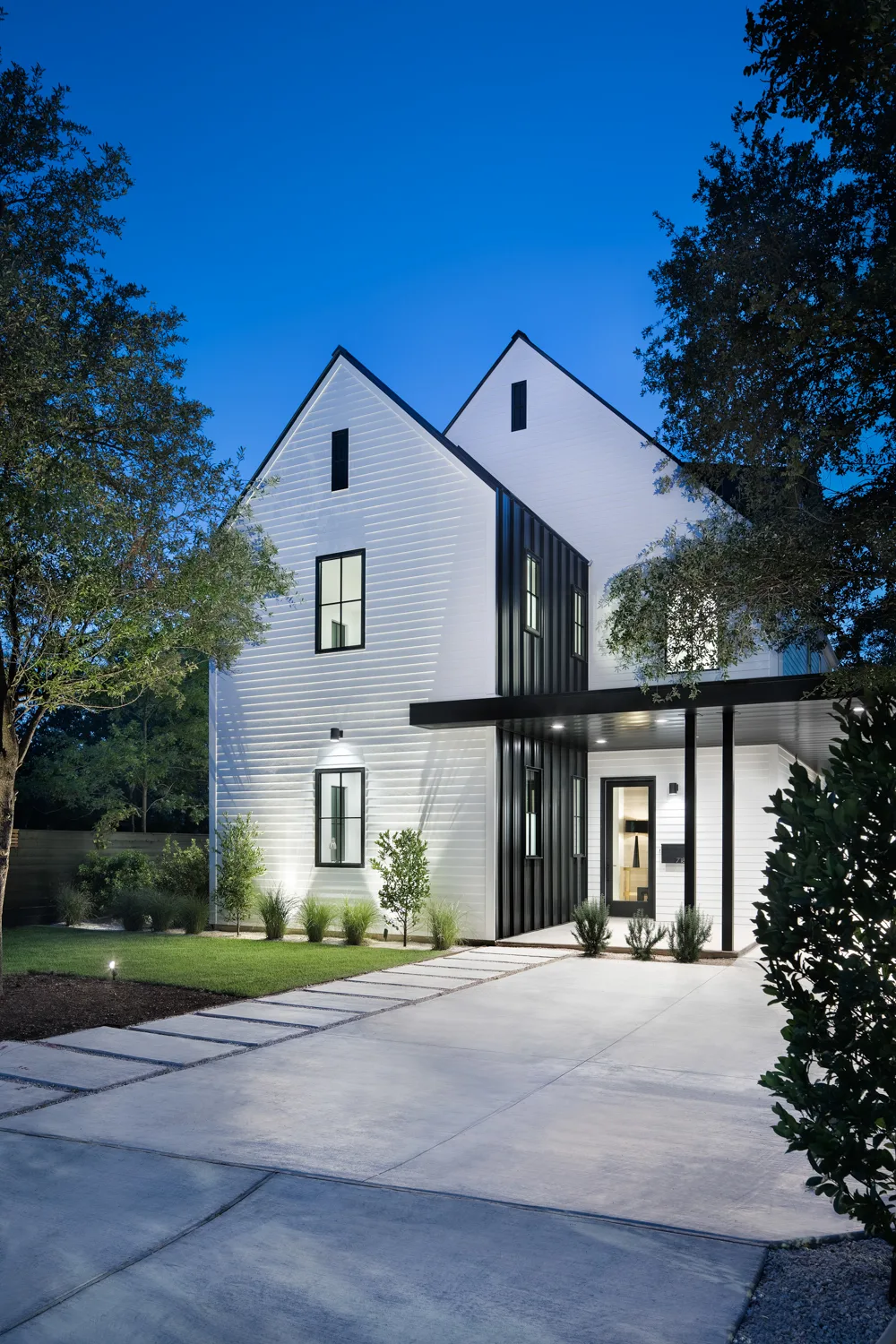
The housing is predominantly post-war single-story homes on flat, generous lots, which is the single most important fact about the area. Those lots are why it has been one of Austin's most active renovation and redevelopment markets for two decades, and why a block can hold an untouched 1952 original, a careful 2015 remodel, and a 2024 rebuild all at once. Buyers here are usually choosing between those three things, not between neighborhoods.
The other reason people come is position. North Central sits close enough to downtown for a genuinely short commute, and close enough to The Domain and the north employers to make that commute short too. Very little of Austin does both.
Central Austin Beyond the North
West of downtown, Tarrytown and Clarksville are the oldest and most expensive land in the picture. Tarrytown runs larger and leafier down toward Lake Austin; Clarksville is smaller, denser, historic, and close enough to walk to a downtown office.
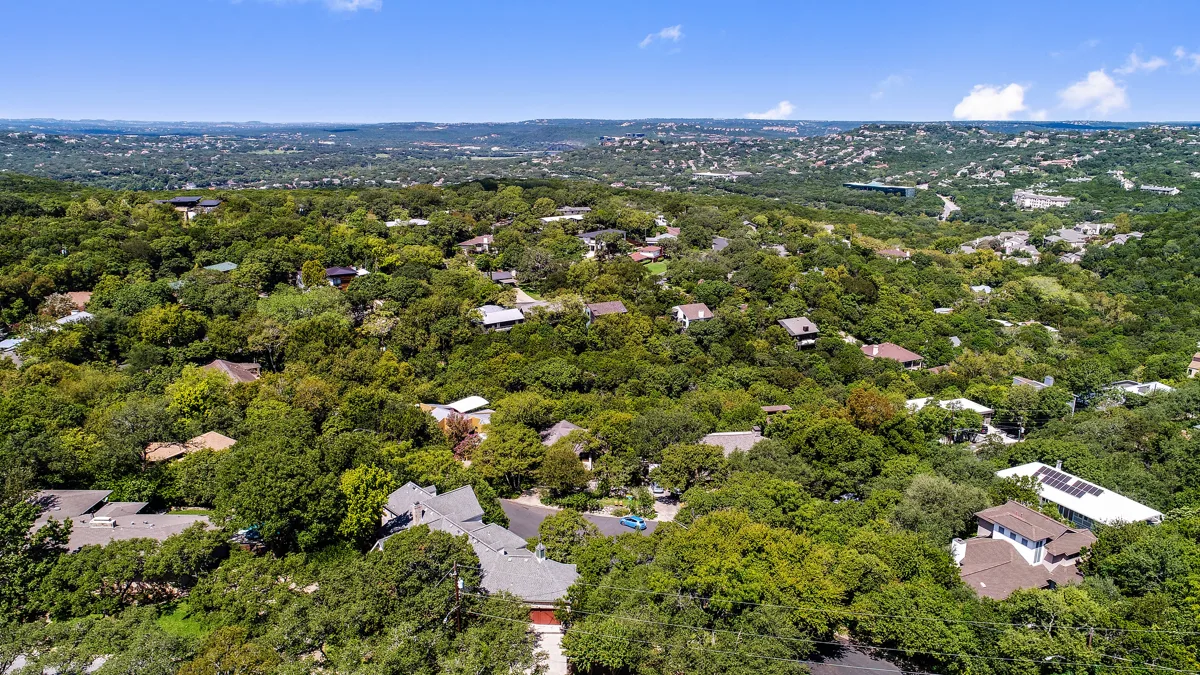
South of the river, Bouldin Creek and Travis Heights sit either side of South Congress. Bouldin is flatter, more redeveloped, and the most walkable-to-downtown position on the south side. Travis Heights has real topography, larger wooded lots, and a number of homes with skyline views, which makes it the more architecturally varied of the two.
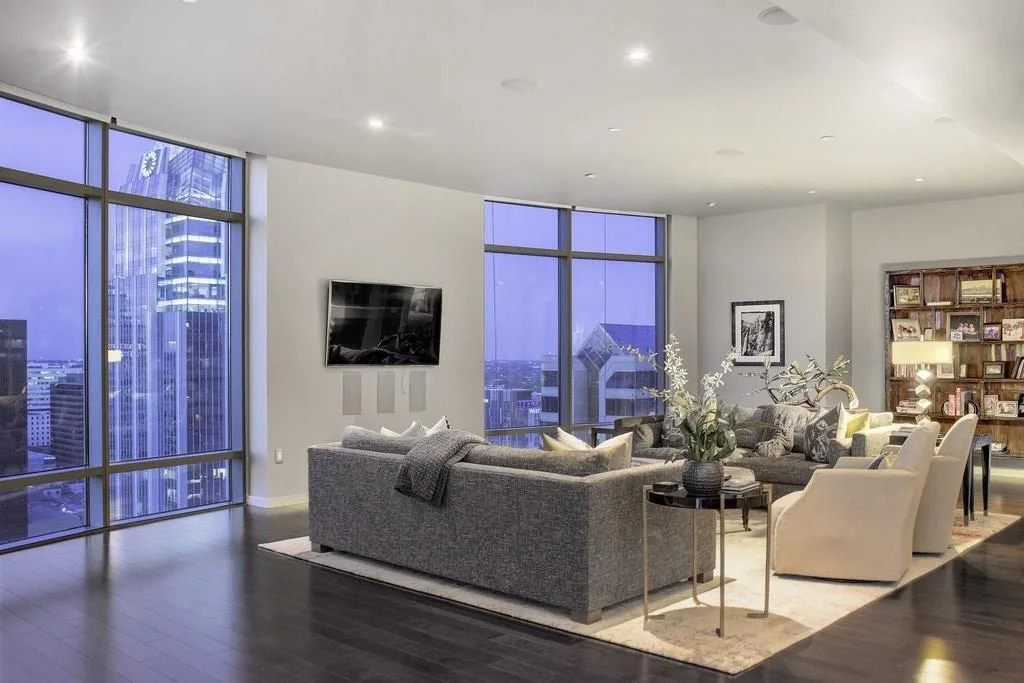
And in the middle sits the downtown condo market, which is a genuinely different asset class with its own rules on HOA dues, assessments, rental restrictions, and financing.
Central Austin Neighborhood Guides
What Central Austin Actually Costs
We deliberately do not publish price ranges on this page. Central Austin values move quickly enough that any figure written here would be wrong within a year, and a stale number is worse than no number at all. What we can tell you is how the pricing behaves.
Price per square foot runs among the highest in the metro, and it is driven by land rather than by the house. In much of North Central Austin, a tired original and a gut-renovated home on identical lots trade closer together than people expect, because a meaningful share of the buyer pool is pricing the lot.
Values shift street by street, not neighborhood by neighborhood. Proximity to a busy road, a flight path, a creek, or a school boundary can move a comparable more than a bedroom count does. This is the specific reason automated valuation estimates perform poorly here, and the specific reason a comparative market analysis has to be drawn from a tight radius.
Renovation economics are the real decision. For most buyers the live question is not which neighborhood, it is whether to buy something finished at a premium or something original and do the work. That maths depends on your timeline, your tolerance for a permit process, and what the block will support at resale.
Schools and Attendance Zones
Central Austin is served by Austin ISD. Within it, individual campuses vary considerably, and attendance zones are drawn at a granularity that regularly puts two houses on the same street into different elementary schools.
Those boundaries are also redrawn periodically. If you are buying for a specific campus, verify the current zone directly with Austin ISD before you write an offer. A listing, a third-party school website, or a well-meaning neighbor is not a reliable source, and the consequences of getting it wrong land after closing.
Verify before you offer. Attendance zones change, and school ratings are a snapshot rather than a permanent characteristic. Confirm enrollment eligibility for a specific address directly with the district.
Commute and Access
The reason Central Austin holds its value through cycles is that it is genuinely central. Downtown is a short drive, a reasonable bike ride, and from some neighborhoods a walk. The University of Texas and the Capitol complex sit inside the same radius, as does the medical district around Seton.
North Central adds a second commute that most central neighborhoods do not have: The Domain and the north tech corridor are up Burnet or MoPac rather than down them, which means a meaningful number of households in Crestview, Allandale, and Brentwood drive away from traffic in the morning rather than into it.
The honest trade-offs are parking and through-traffic. The older grids were not designed for two-car households, and the corridors that make the area convenient, Lamar, Burnet, South Congress, and 45th, carry real volume. Which side of a block you buy on matters.
Who Central Austin Suits, and Who It Does Not
It suits you if proximity is the thing you are actually buying: a short commute, walkable errands, established trees, and a neighborhood with a settled character. It suits people who would rather have a smaller house in a place they can walk out of than a larger one they have to drive out of. It suits buyers who are comfortable with older housing stock, or who want to renovate.
It does not suit you if square footage per dollar is the priority, if you want new construction with a builder warranty and a predictable floor plan, or if you need a large flat yard and a three-car garage. Those exist in Austin, and they are mostly not here. Cedar Park, Leander, Round Rock, and Georgetown will give you considerably more house, and we sell there too.
That is the conversation worth having before you start touring, and it is one we would rather have honestly than talk you into a neighborhood that will not fit how you actually live.
“I’ve been working with Jeffrey for several years now and he’s been nothing short of spectacular. In a town where everyone is a real estate “professional,” few stand out more than Jeffrey. I’ve owned over a dozen houses in Austin over the past five years and he’s hands down the most reliable agent I’ve worked with.”
Ryan N
“Jeffrey helped us purchase in Austin working on a short time frame due to a work relocation. He listened closely to what we were looking for and helped us secure a perfect home quickly despite the competitive market. Jeffrey is an excellent advisor and has become a great friend of our family.”
The Marshall Family
“My husband and I worked with Happiness to find our first home. She and the rest of the SR Group team are extremely knowledgeable and they were patient with all of our questions. Happiness went out of her way to make us feel comfortable throughout the entire process.”
The Acosta Family
Frequently Asked Questions
What counts as Central Austin?
Central Austin is broadly the area inside and immediately around the urban core, running from Tarrytown and Clarksville on the west, through the neighborhoods just north of the University of Texas, down to Bouldin and Travis Heights south of the river. North Central Austin refers specifically to Crestview, Allandale, Brentwood, Rosedale, Hyde Park, and North Loop.
What is North Central Austin known for?
North Central Austin is the belt of neighborhoods roughly between Lamar and Burnet north of 45th Street: Crestview, Allandale, Brentwood, Rosedale, Hyde Park, and North Loop. The housing stock is largely mid-century single-story homes on generous lots, with an ongoing wave of renovation and new construction. It draws buyers who want a short commute and established trees without downtown density.
How much do homes cost in Central Austin?
Central Austin runs a wide range, from condos and smaller mid-century homes through architect-designed new construction and historic estates in Tarrytown and Clarksville. Price per square foot is consistently among the highest in the metro because the land is built out and supply is fixed. The right comparison is not the metro average but recent closed sales within a few blocks, since values shift street by street.
Which school district serves Central Austin?
Central Austin neighborhoods are served by Austin ISD. Attendance zones vary block by block and are periodically redrawn, so buyers who are choosing a home for a specific campus should verify the current zone directly with Austin ISD before writing an offer rather than relying on a listing or a third-party school site.
Is Central Austin a good investment?
Central Austin has structural scarcity on its side: the land is already developed, so new supply arrives mostly through teardowns and redevelopment rather than new subdivisions. That supports long-run value but does not guarantee short-run appreciation, and entry prices are high. Whether it is right depends on your holding period, your tolerance for older housing stock, and what you would otherwise buy.
Talk to a Central Austin Advisor
Whether you are weighing Crestview against Brentwood or trying to work out if Central Austin is the right trade at all, tell us the situation.
Call 512.993.HOME
Email info@srgcompass.com
Thank you. Your message is in.
Someone from SR Group will get back to you shortly. If it is urgent, call the office at 512.993.HOME.
Something went wrong sending that. Please email info@srgcompass.com or call 512.993.HOME.