
BestPlaceToLiveInAustin.com
Austin Neighborhoods: Where to Live in Austin and Central Texas
Browse every neighborhood we cover, or search by part of town or surrounding city.
Austin is not one market and it never has been. Price, commute, school district, housing stock, and lot size all change substantially over a few miles, and the differences are rarely obvious from a listing. These guides are the short version of what we would tell you in person.
Looking specifically at Central and North Central Austin? That has its own hub. For lake and river property, start with waterfront.
Best Austin Neighborhoods By What You Are Optimising For
There is no single best neighborhood in Austin, because the city varies too much for one answer to be right for two different buyers. Start from the constraint you cannot move, and the map narrows quickly.
Best for families
Allandale, Circle C Ranch, Travis Country, Brentwood, and Steiner Ranch are the Austin neighborhoods most consistently chosen by families, because each pairs a settled elementary school with usable park space and lot sizes that accommodate children.
- Allandale puts mid-century houses on generous North Central lots within a fifteen-minute drive of downtown, with Gullett Elementary inside the neighborhood.
- Circle C Ranch trades commute for space: large homes, the Circle C Metropolitan Park, and a community pool system, in Southwest Austin.
- Travis Country backs onto the Barton Creek greenbelt, with interior greenbelt trails that connect the neighborhood without touching a main road.
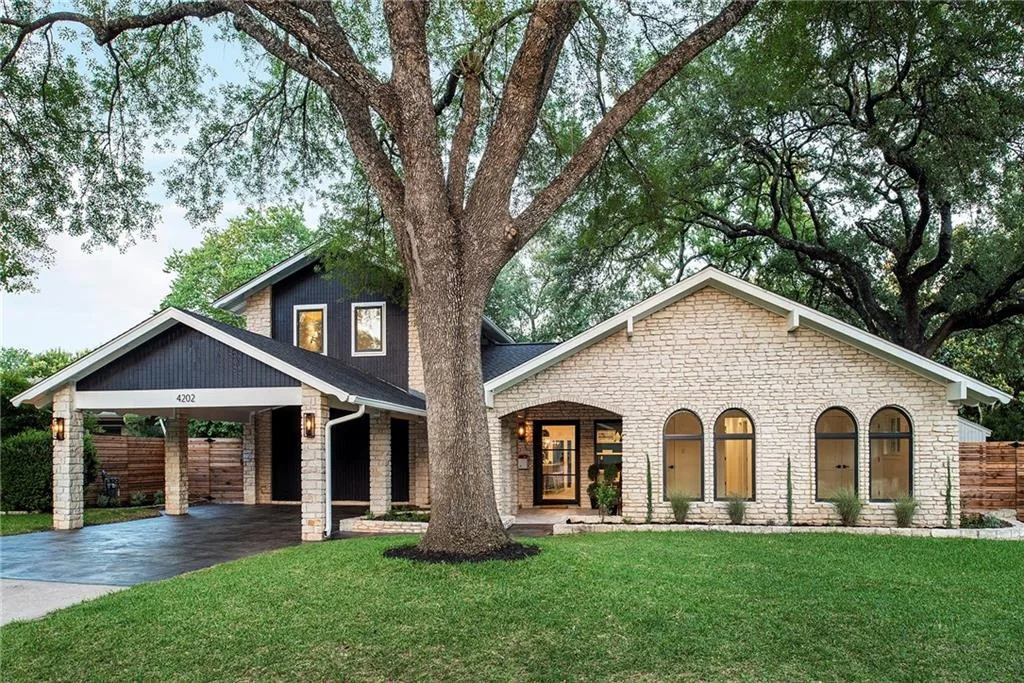
- Brentwood is built around Brentwood Park and its pool, on flat, generous lots that suit adding on rather than moving.
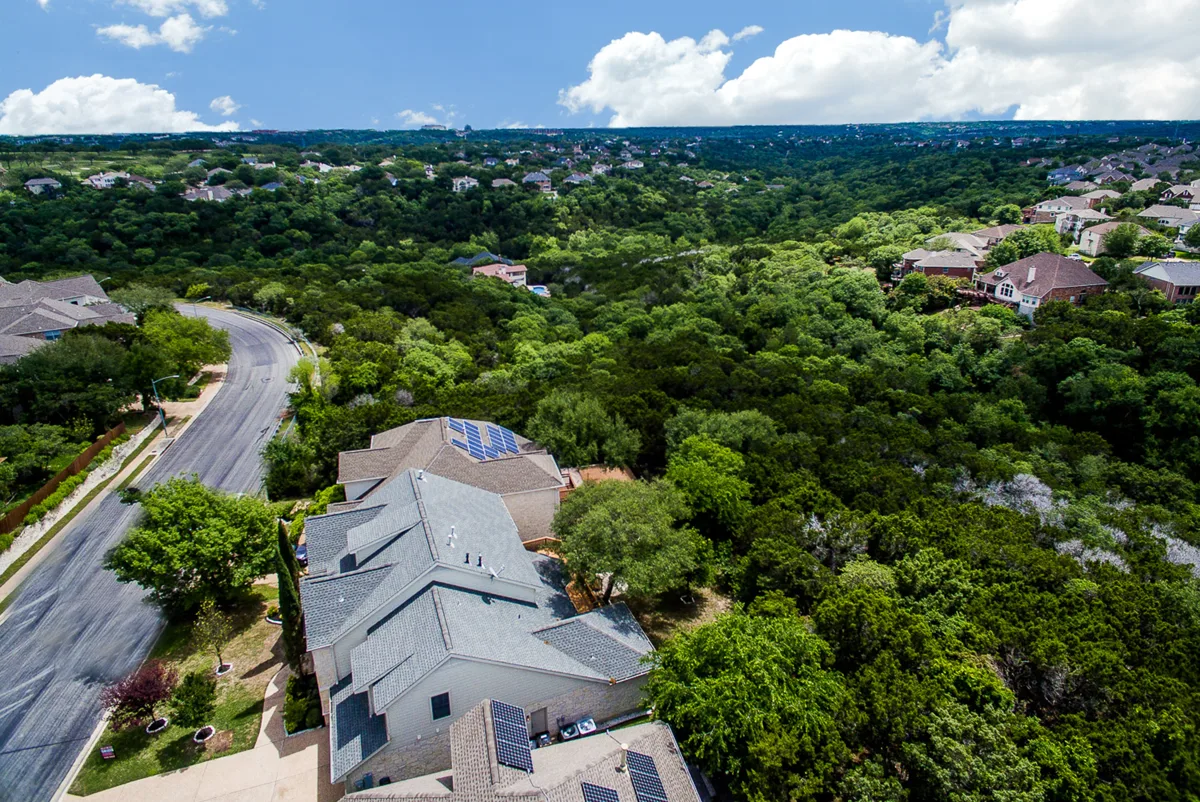
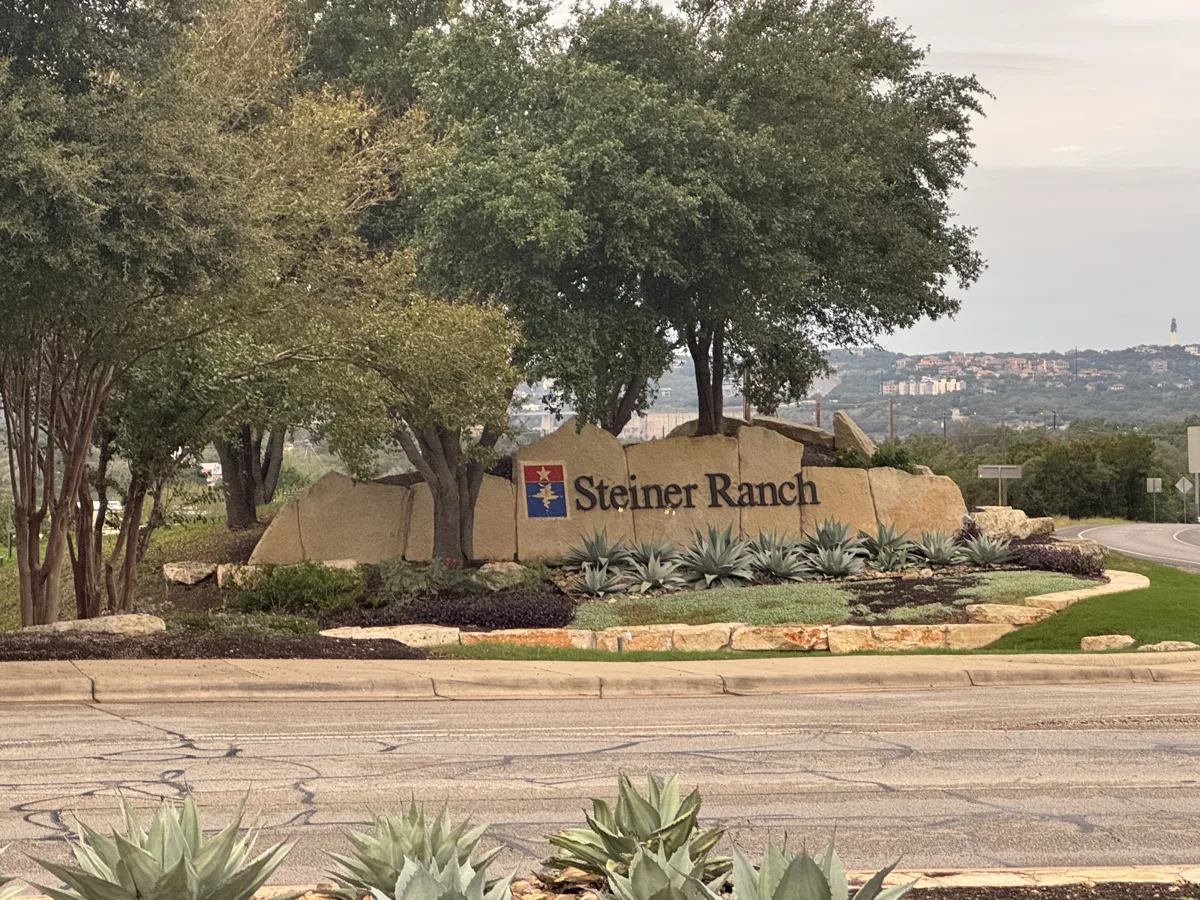
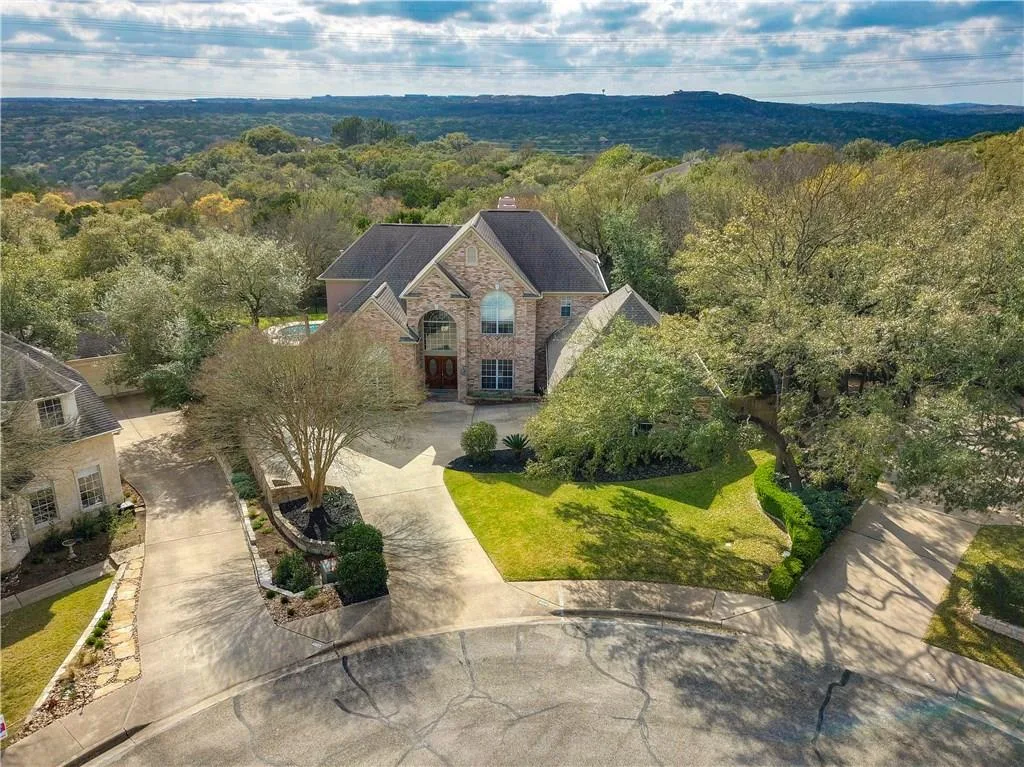
- Steiner Ranch sits between Lake Austin and Lake Travis with resort-style amenities and its own schools, at the cost of the longest drive on this list.
Best for walkability
Clarksville, Bouldin Creek, Hyde Park, and Downtown Austin are the most walkable neighborhoods in Austin, each with a genuine commercial street within walking distance of most of its homes.
- Clarksville has the West Lynn corridor and a fifteen-minute walk into downtown, which almost nothing else this close can claim.
- Bouldin Creek sits between South First and South Congress, so the food and the shops are the boundary streets rather than a drive away.
- Hyde Park was laid out as Austin's first planned suburb in the 1890s on a tight grid, with Duval Street and Shipe Park inside it.
- Downtown Austin is the only part of the city where a car is genuinely optional, at the cost of being almost entirely condo stock.
- North Loop keeps a vintage retail strip that has largely been priced out of the rest of Central Austin.
Best for waterfront living
Lake Austin and Lake Travis carry the great majority of Austin-area waterfront property, and the single most important difference between them is that Lake Austin holds a constant level while Lake Travis moves substantially with drought.
- Lake Austin stays at a constant level behind Tom Miller Dam, so shorelines and docks remain usable through a dry year.
- Lake Travis is the flood-control reservoir, which means deeper drawdowns and, in exchange, more waterfront for the money.
- Tarrytown fronts Lake Austin from the city side, combining waterfront access with a ten-minute drive to downtown.
- Lakeway sits on the Lake Travis shoreline with marinas and golf, and its own city government and schools.
- Lake Whitney is the value option: a steadier level than Travis, at a fraction of Highland Lakes pricing, north of Waco.
Best for value
Crestview, Brentwood, North Loop, and parts of South and East Austin offer the strongest value near the Austin core, generally by trading house size or finish level for location rather than by being cheap.
- Crestview and Brentwood sit north of 45th Street where post-war stock on flat lots costs meaningfully less than the pre-war neighborhoods a mile south.
- North Loop has historically been one of the more attainable entry points into Central Austin, on smaller bungalow lots.
- Oakmont Heights is small and little-shopped, which has kept it better value than Bryker Woods next door for comparable land.
- South Austin and East Austin both cover wide price ranges, so the value depends heavily on the specific pocket.
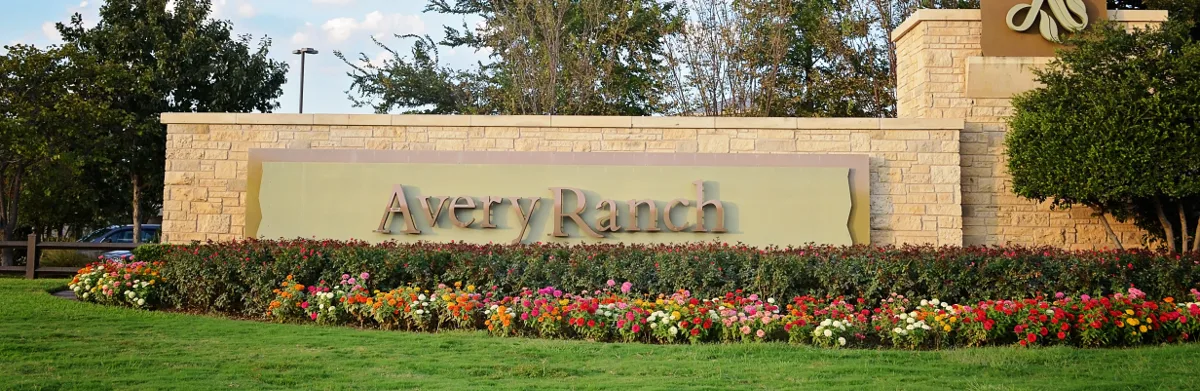
- Shady Hollow and Avery Ranch deliver considerably more square footage per dollar, further out.
Best for schools
Bryker Woods, Pemberton Heights, Allandale, Spanish Oaks, and Steiner Ranch are the Austin-area neighborhoods most often chosen for their school assignment, though attendance zones are set by address and are redrawn periodically, so always verify with the district rather than by neighborhood name.
- Bryker Woods is zoned to Bryker Woods Elementary, the only International Baccalaureate certified elementary school in Austin ISD.
- Pemberton Heights feeds Casis Elementary, then O. Henry Middle School and Austin High.
- Allandale has Gullett Elementary inside the neighborhood, which is a large part of why families stay put here.
- Spanish Oaks and Lakeway are both in Lake Travis ISD, west of the city.
- Steiner Ranch has elementary schools inside the development itself, which shortens the school run considerably.
We do not publish school ratings or test scores on this site. They change annually, they are reported differently by different sources, and a stale rating is worse than none. Verify current assignment and performance directly with Austin ISD or the relevant district.
Best for nightlife and going out
Downtown Austin, East Austin, Bouldin Creek, and the Zilker and South Lamar area put the most bars, music venues, and restaurants within walking distance in the city, and each draws a distinctly different crowd.
- Downtown Austin covers the Rainey Street and Warehouse districts and the Sixth Street corridor, with the shortest walk to almost everything.
- East Austin carries most of the city's newer music and bar openings, and much of the unofficial SXSW programming.
- Bouldin Creek sits between the South Congress hotels and the South First food trucks, which is a genuinely different night out from downtown.
- Zilker backs onto the South Lamar strip and hosts Austin City Limits in Zilker Park across two October weekends.
- Travis Heights is a quieter base a short walk from South Congress, for people who want proximity without the noise.
Best for land and acreage
Dripping Springs, Spicewood, Wimberley, and the wider Hill Country carry most of the acreage within reach of Austin, and beyond them SR Group handles ranch and land transactions across the whole of Texas.
- Dripping Springs is the gateway to the Hill Country on US 290, with acreage tracts, wineries, and a wedding economy.
- Spicewood combines Hill Country acreage with the upper end of Lake Travis.
- Wimberley and Fredericksburg sit further out, with larger tracts and a stronger second-home market.
- Lewis Mountain Ranch is the closest thing to acreage inside Southwest Austin proper.
- Ranch and land across Texas is a separate practice, covering water rights, agricultural valuation, access, and mineral rights.
Every Neighborhood We Cover
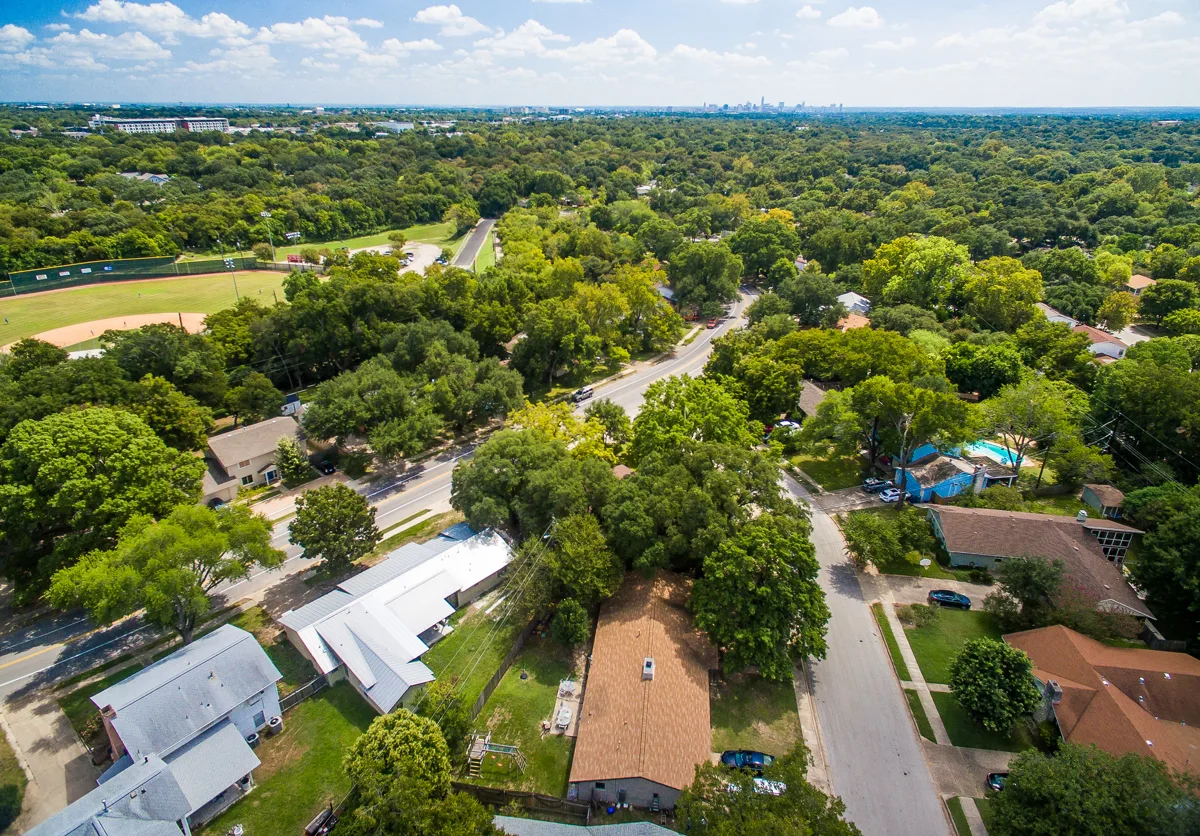
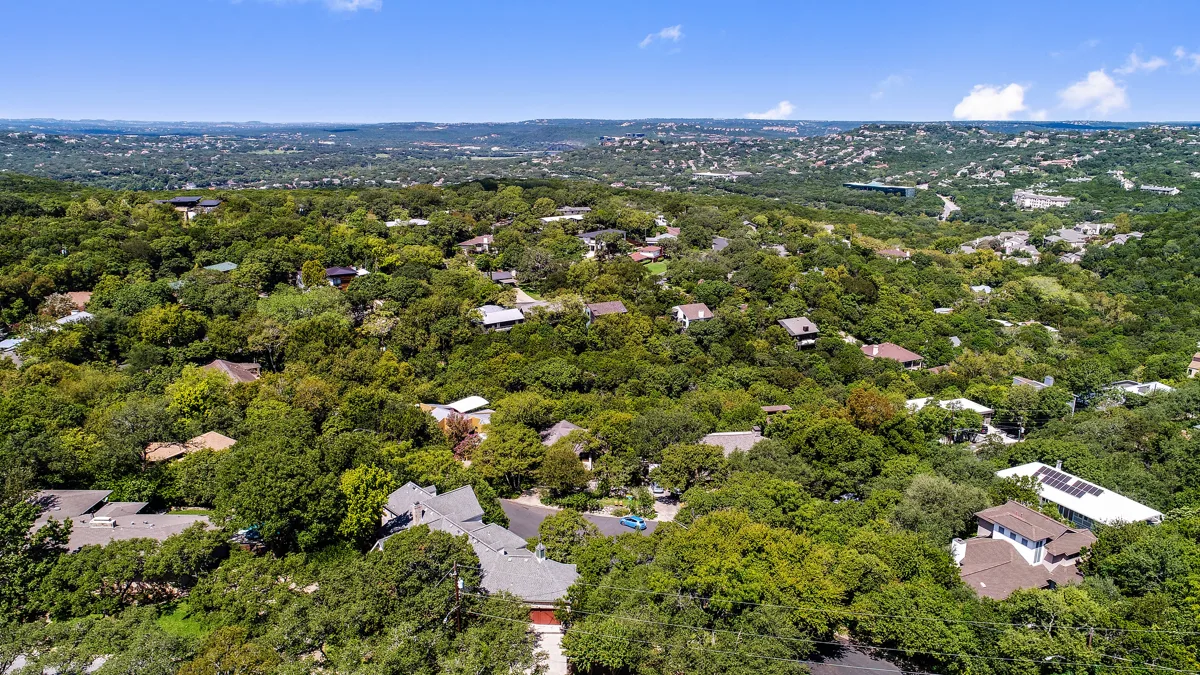
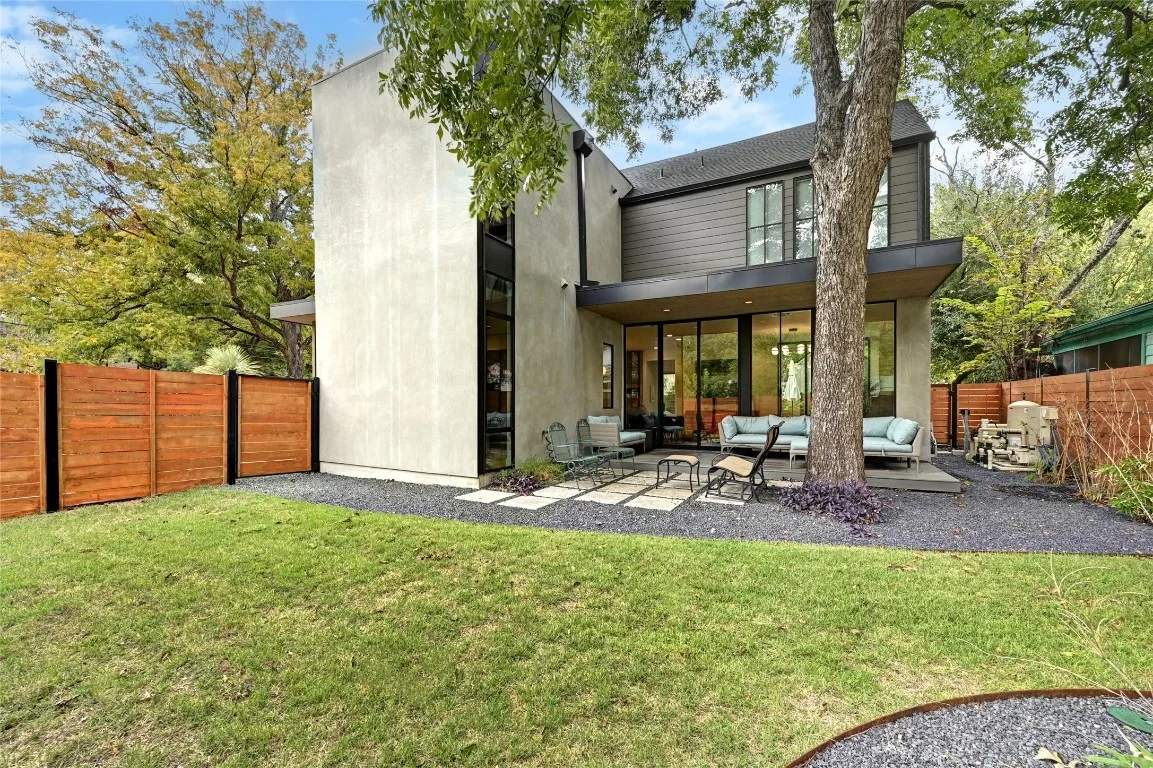
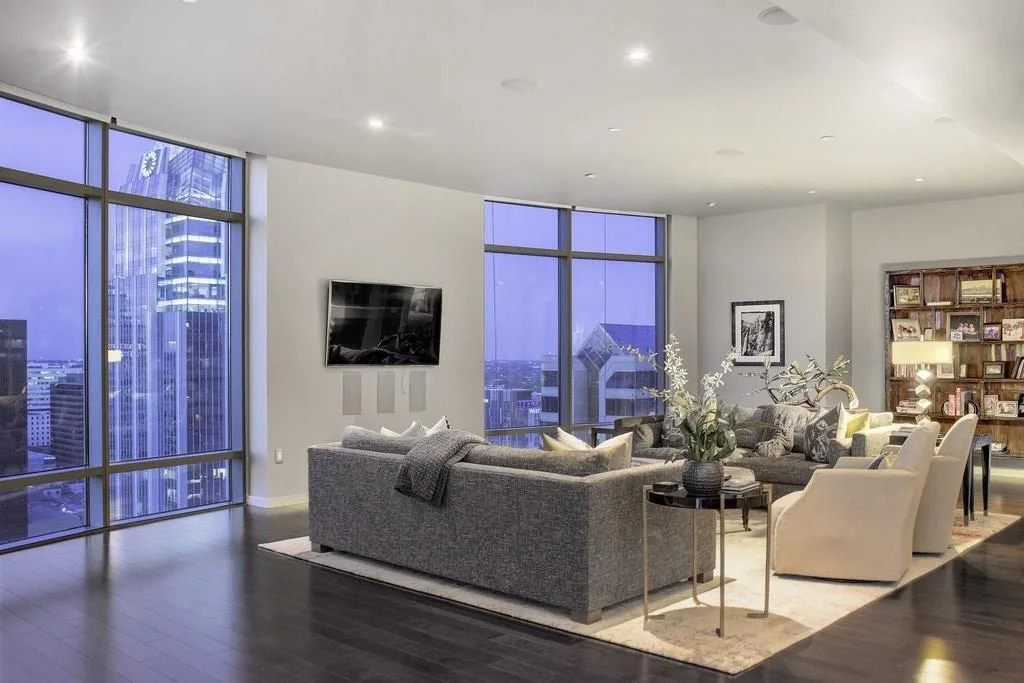
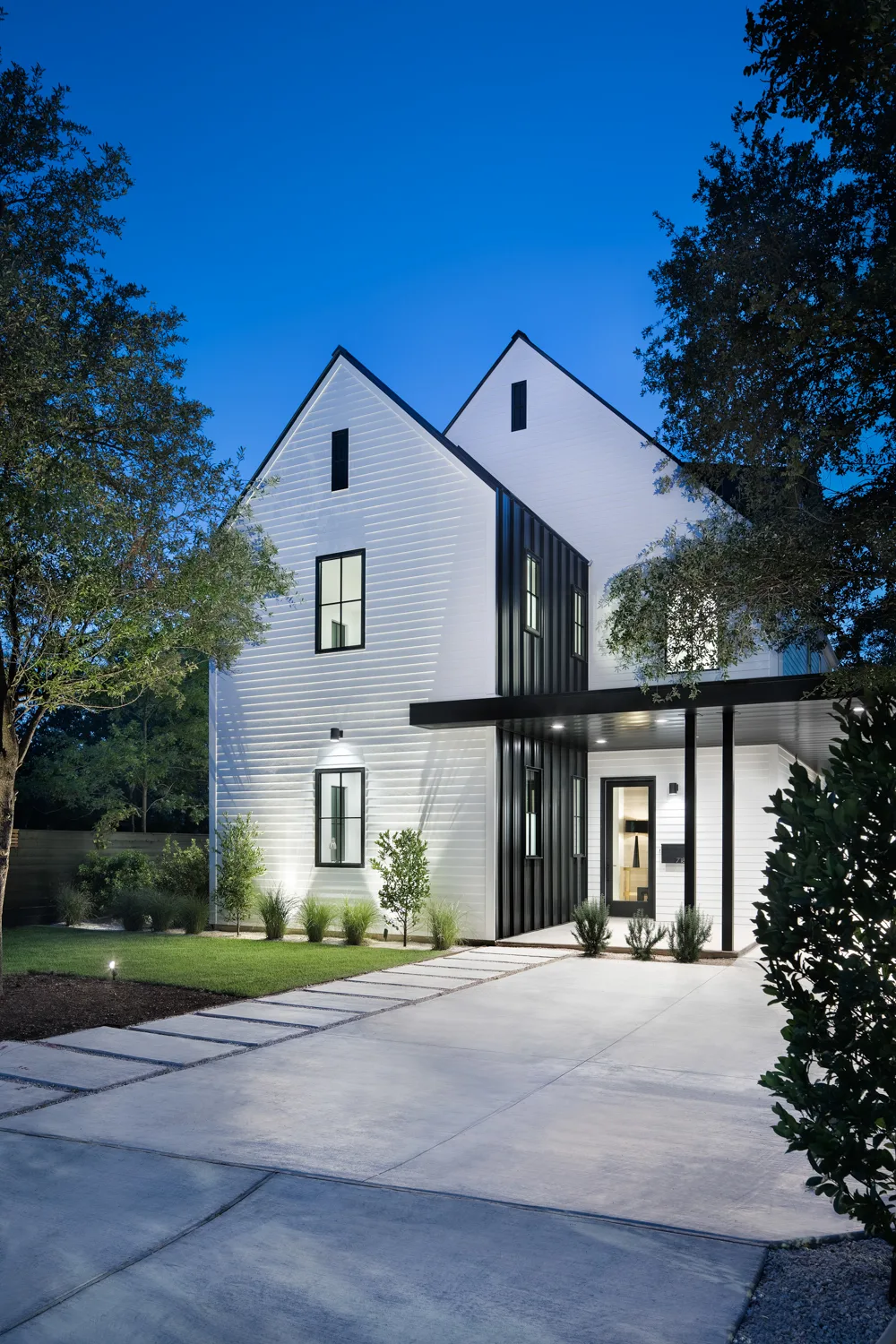
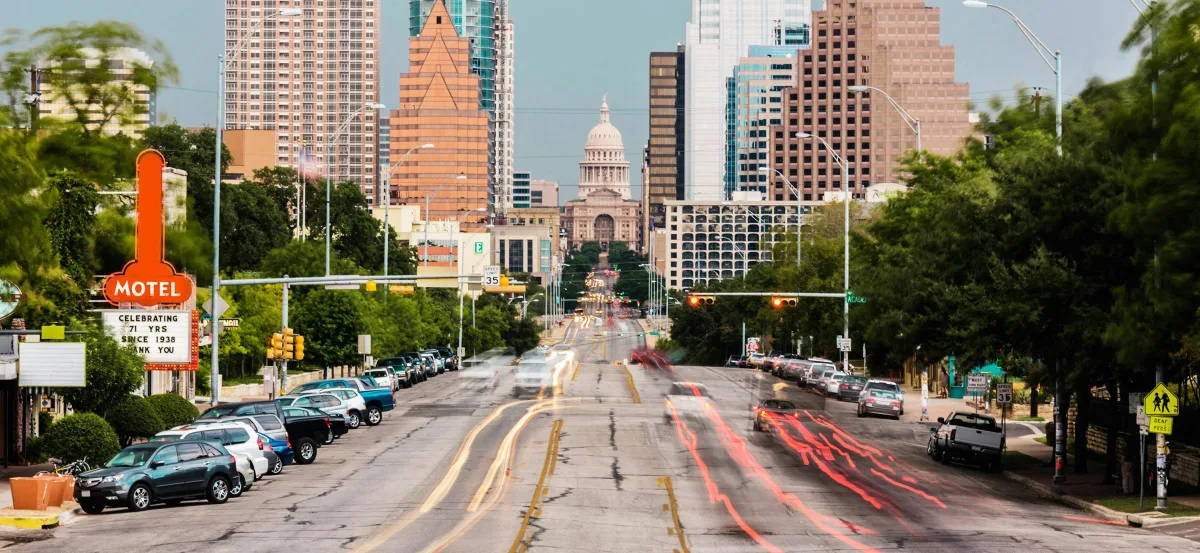
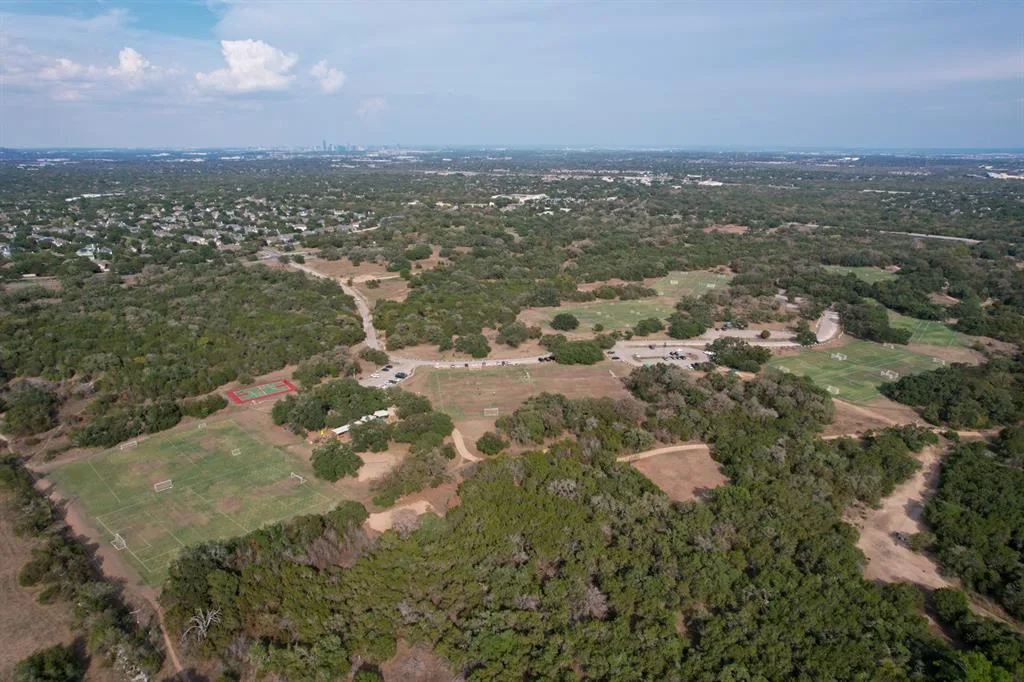
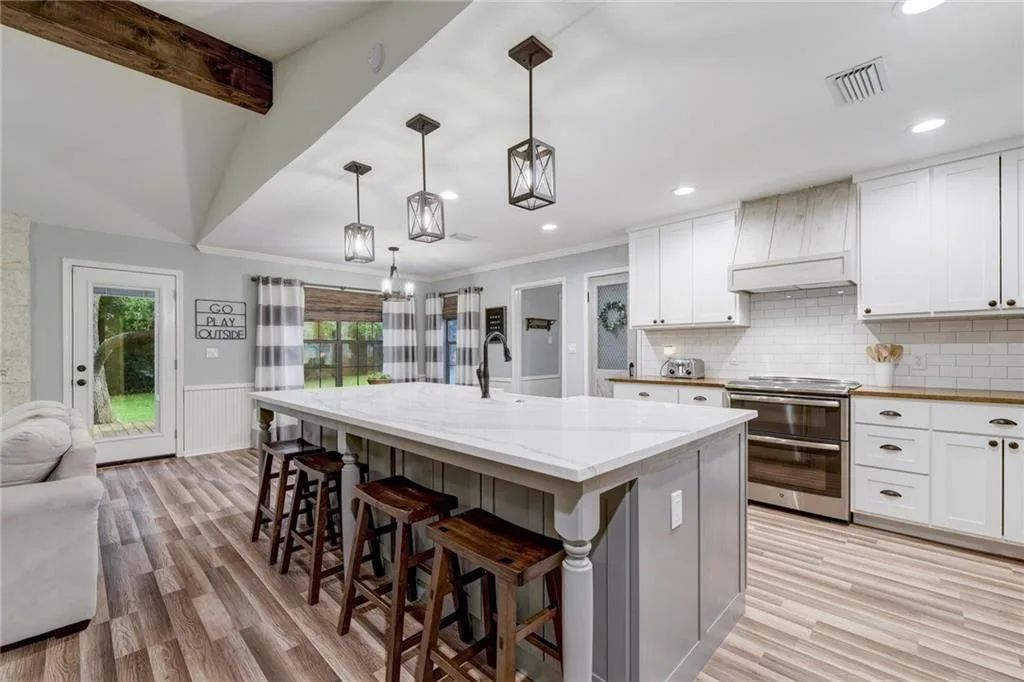
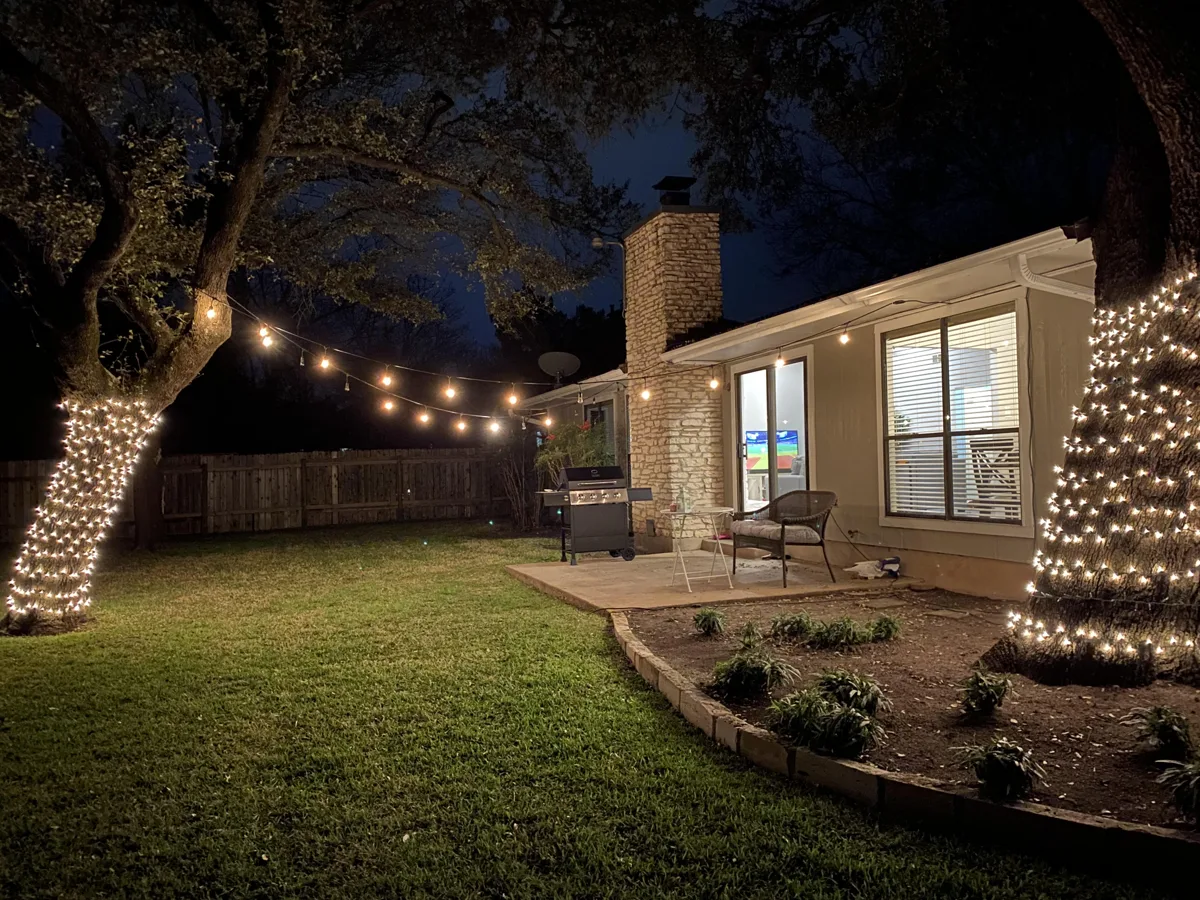
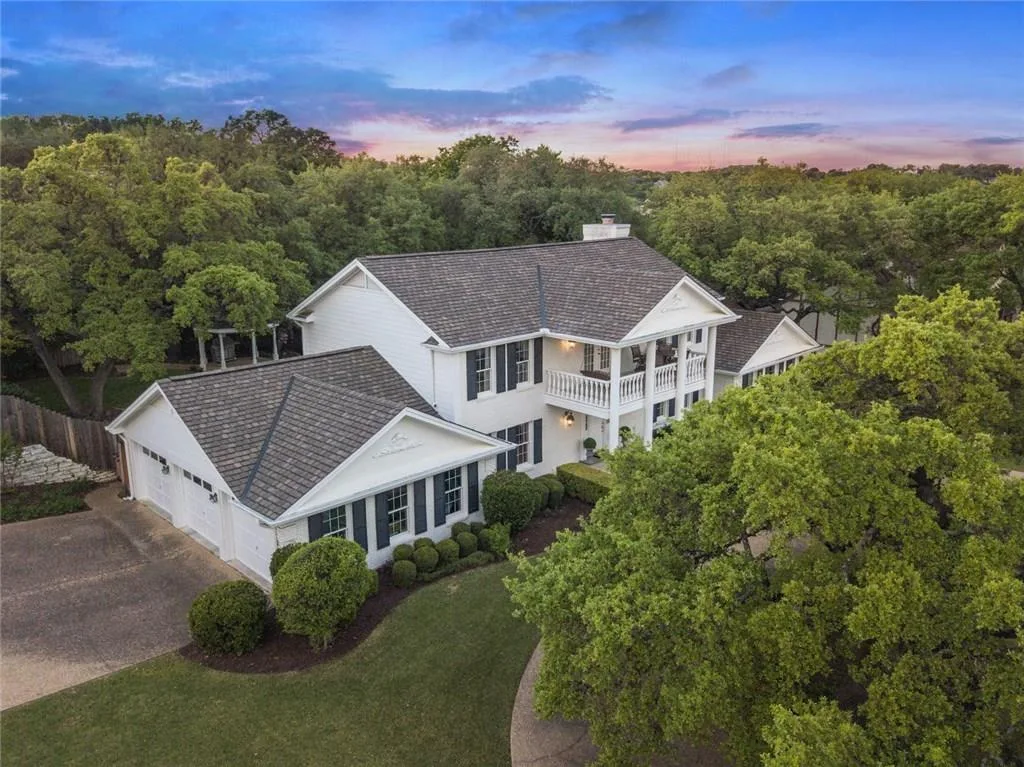
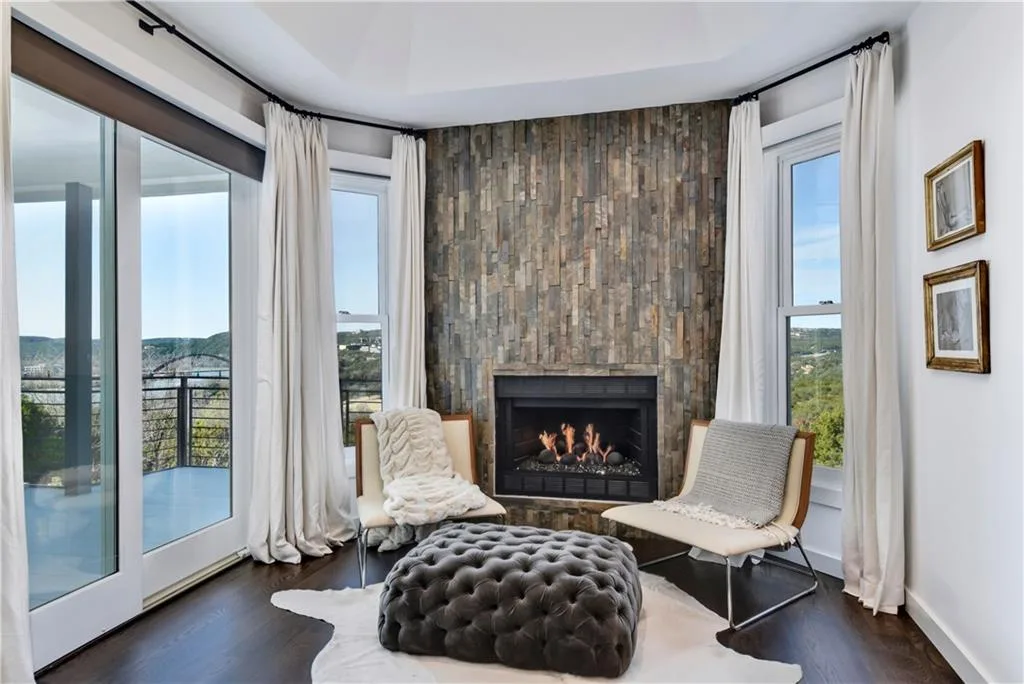
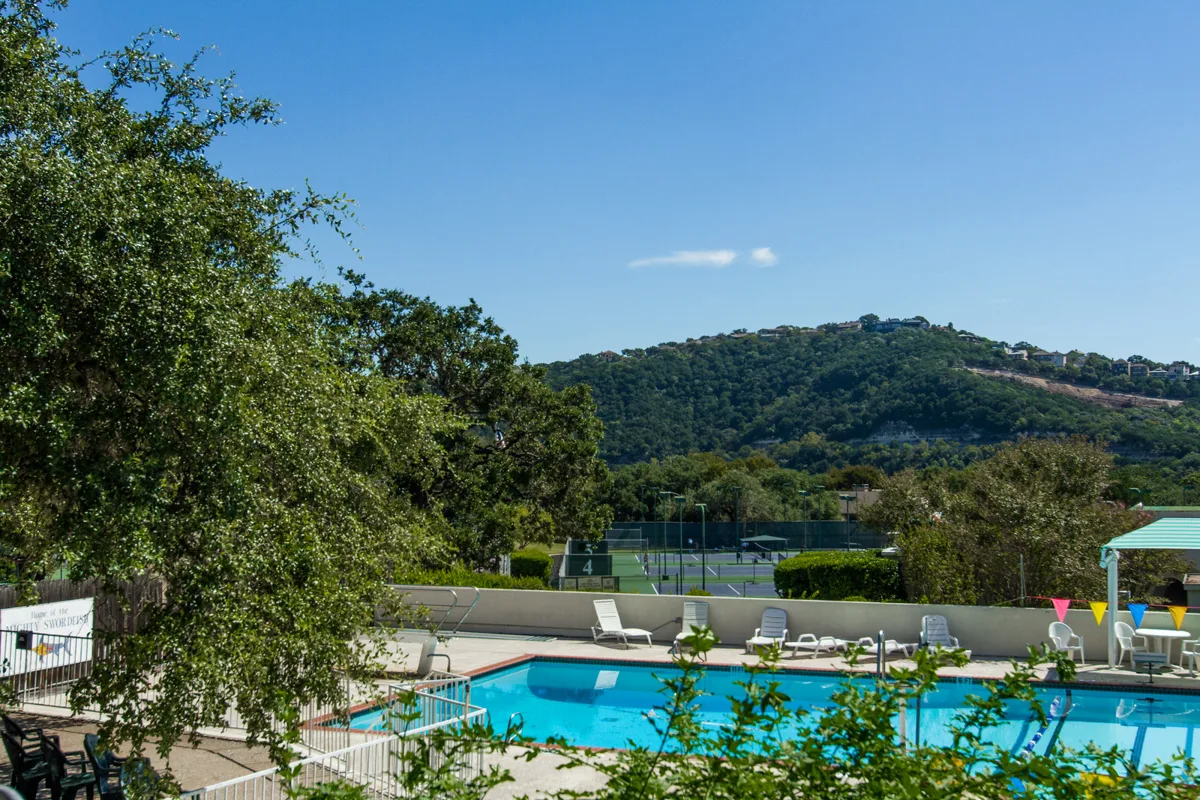
Looking Further Out?
The surrounding Central Texas communities, from Cedar Park and Georgetown to Dripping Springs, New Braunfels, and Fredericksburg, each have their own guide as well.
Last updated
Frequently Asked Questions
What is the best place to live in Austin?
There is no single best place to live in Austin, because the city's neighborhoods differ so sharply on price, commute, schools, and housing stock that the right answer depends entirely on which of those you are optimising for. For walkability and proximity to downtown, Clarksville, Bouldin Creek, and Hyde Park lead. For family life with strong schools, Allandale, Circle C Ranch, and Travis Country. For waterfront, Lake Austin and Lake Travis. For value inside the central core, Crestview, Brentwood, and North Loop. Start from your constraint, not from a list.
What are the best Austin neighborhoods for families?
Allandale, Circle C Ranch, Travis Country, Brentwood, and Steiner Ranch are the Austin neighborhoods most consistently chosen by families, because each combines a settled elementary school, usable park space, and lot sizes that accommodate children. Allandale and Brentwood sit in North Central Austin with short commutes; Circle C and Travis Country are further southwest with more space and more driving; Steiner Ranch is furthest out with the most amenities. Verify current school assignment by address with Austin ISD rather than by neighborhood name.
Which Austin neighborhoods are on the water?
Lake Austin and Lake Travis carry the great majority of Austin-area waterfront, with Lake LBJ, Canyon Lake, and Lake Whitney extending the market outward across Central Texas. Tarrytown and Courtyard front Lake Austin from the city side, Steiner Ranch and Lakeway sit on the Lake Travis shoreline, and Spicewood covers the upper end of Lake Travis. The critical distinction is whether a lake holds a constant level: Lake Austin does, Lake Travis moves substantially with drought.
What is the most walkable neighborhood in Austin?
Clarksville, Bouldin Creek, Hyde Park, and Downtown Austin are the most walkable neighborhoods in the city, each with a genuine commercial street inside walking distance of most homes. Clarksville has West Lynn, Bouldin has South First and South Congress, Hyde Park has Duval Street, and downtown has everything at the cost of being almost entirely condo stock. Walkability in Austin is the exception rather than the rule, and it is priced accordingly.
Where should I live in Austin if I work downtown?
Clarksville, Bouldin Creek, Travis Heights, Zilker, and East Austin all put downtown Austin within a short drive, a bike ride, or in some cases a walk. Clarksville is the closest neighborhood that still feels like a neighborhood; Bouldin and Travis Heights sit just across the river; Zilker adds the park and the greenbelt; East Austin offers the most housing variety for the money. Downtown itself is an option if you are comfortable in a condo building.
Which Austin neighborhoods offer the best value?
Crestview, Brentwood, North Loop, and parts of South Austin and East Austin offer the strongest value inside or near Central Austin, generally by trading house size or finish level for location. Further out, Circle C Ranch, Shady Hollow, and Avery Ranch deliver considerably more square footage per dollar at the cost of a longer commute. Value in Austin almost always means choosing which of location, size, and condition to give up.
What is the difference between Central Austin and North Central Austin?
Central Austin generally means the neighborhoods ringing downtown and the university, including Clarksville, Tarrytown, Hyde Park, Bryker Woods, and Pemberton Heights, with pre-war housing stock and the highest prices in the city. North Central Austin sits above roughly 45th Street and covers Rosedale, Allandale, Brentwood, and Crestview, where the stock is mostly post-war ranch and mid-century on larger lots at lower prices. The dividing line is soft and people use both terms loosely.
Are Austin neighborhood boundaries official?
No. Austin neighborhood boundaries are conventional rather than legal, and they are drawn differently by neighborhood associations, real estate listings, and residents. Several areas carry more than one name, and some names cover several distinct plats: the Highland Park West Balcones Area in 78731 contains at least six separately platted neighborhoods. What is legally fixed is the address, the ZIP code, the school attendance zone, and the taxing jurisdiction, and those are the things to verify.
How do I choose between Austin neighborhoods?
Start with the constraint you cannot move: commute tolerance, school requirement, budget ceiling, or the kind of house you want. That single constraint eliminates most of the map immediately and makes the remaining comparison manageable. Then visit the shortlist at the times you will actually live there, on a weekday evening and a weekend morning, because Austin neighborhoods differ far more by time of day than listing photos suggest.
Talk to an Advisor
Tell us what you are trying to do. We will tell you what we think, including when the answer is to wait.